
Your needs, this model
Does it fit your priorities?
Can I require rechargeable sensor flow with single-pet app records?
Yes. The exact cordless PLWF116 supports this setup. The maker's maximum battery-life claim has full-charge and single-pet sensor conditions.
Explore this need in the finder →Can I require records automatically attributed to different cats?
That capability is not established. The Dockstream2 records one pet at a time; software profiles do not create RFID identification.
Explore this need in the finder →Can I require confirmed dishwasher permission?
Not while the current page and exact US guide conflict. Obtain clarification for the supplied version before relying on dishwasher care.
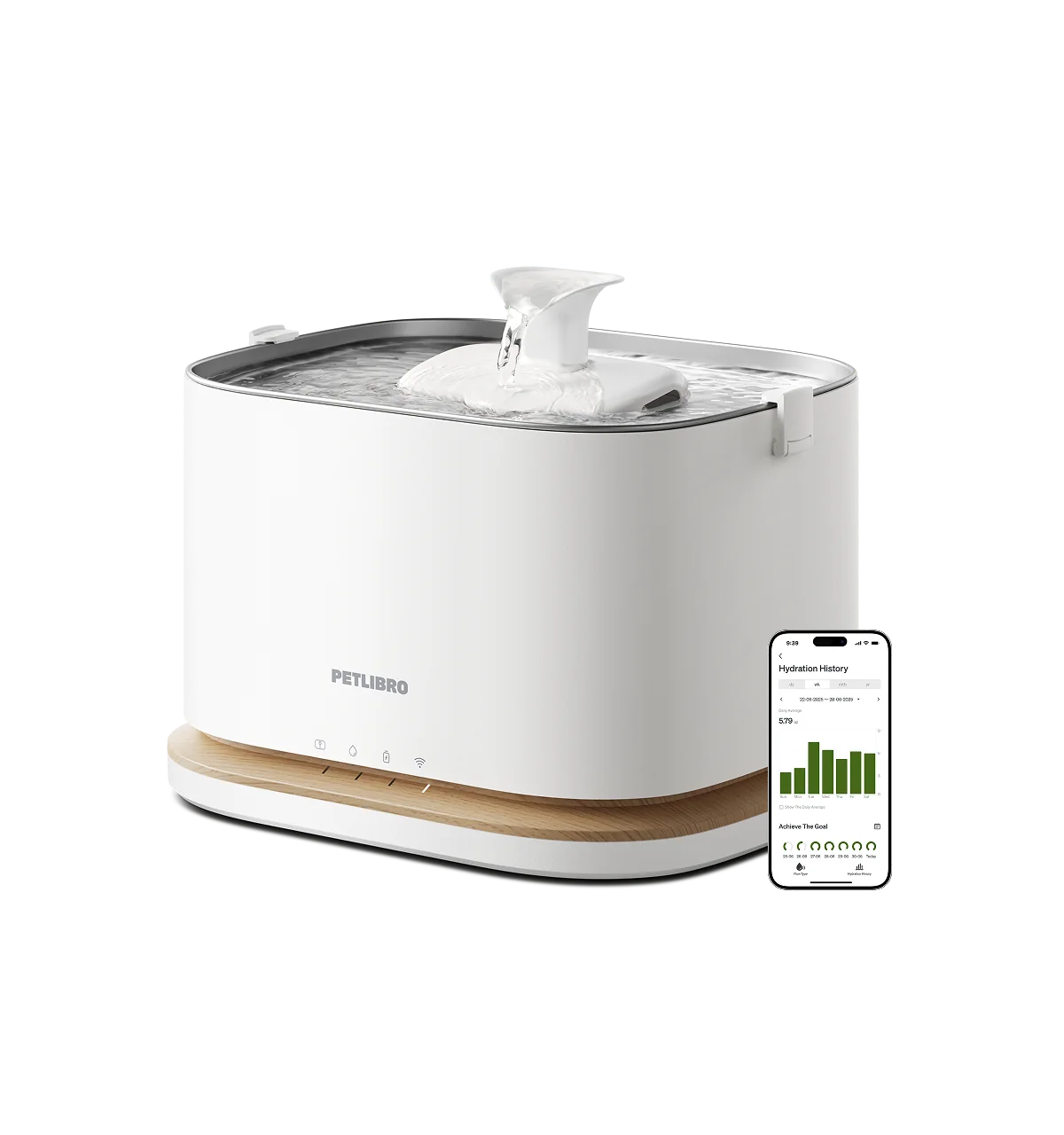
Explore this need in the finder →The PETLIBRO Dockstream 2 Smart Cordless Fountain PLWF116 is useful when the best drinking location is away from an outlet but you still want app records. Its rechargeable battery powers the main fountain, rather than merely preserving settings during an outage. The tradeoff is charging upkeep and a runtime claim tied to a particular sensor-mode routine.
Verify the cordless model before ordering
The exact US guide identifies PLWF116, also listed as 6236116, with a 5200 mAh battery and a 3-liter tank. The PLWF106 plug-in version is a separate configuration on the shared product page. It should not inherit this battery or its unplugged operating ability.
The current cordless description offers continuous flow or a pet-activated sensor mode. PETLIBRO's up-to-thirty-day claim is specifically based on a fully charged unit, one pet and sensor-activated flow. It is not a claim of thirty days of continuous pumping. We have not measured battery endurance in either mode, so choose a charging routine rather than treating that maximum as a calendar guarantee.
Use the mode that fits the placement
A sensor mode can suit a station where circulation on approach is acceptable. Continuous flow serves a different preference and uses the appliance differently. Observe whether the selected mode works for the animal in the actual position. A rechargeable fountain can be moved more easily than a corded one, but a change in location still needs a stable, level surface and reliable access.
The guide also permits wired use. When connected, route the cable through the underside slot as instructed so it does not interfere with monitoring. Recharge and inspect the fountain regularly; battery power does not replace refills, cleaning or human care.
The tank lifts off, but wet parts remain
The motor stays in the dry base, with a removable rotor and water pipe in the tank assembly. This is the useful meaning of the pumpless-tank description. It can simplify carrying the reservoir to the sink, but it does not eliminate the components that move water or the need to clean their openings.
The reservoir is ABS and the drinking tray is stainless steel. The guide identifies the steel tray and plastic filter tray as an integrated assembly. Do not describe the entire fountain or water path as stainless steel. If your main goal is a steel drinking surface with clear dishwasher permission, the Catit PIXI 43720 offers a different, outlet-powered ownership choice.
App records do not distinguish several cats
The Dockstream 2 provides intake and session information for one pet at a time, with reminders and alerts in the PETLIBRO app. The exact guide supports both 2.4 and 5 GHz Wi-Fi. Calibrate the empty base on a flat surface before using the monitoring features and follow the app setup for the correct device.
For individually attributed records in a multi-cat home, compare the RFID PLWF305. That model requires compatible collar tags and is corded. A subscription or several software profiles does not convert the PLWF116 into the RFID hardware. None of these observation features establishes a diagnosis or promises a particular health outcome.
Cleaning claims need version clarification
The current page describes a dishwasher-safe steel tray, while the exact linked US PLWF116 guide says not to clean any parts in a dishwasher. Because the tray includes inseparable plastic, we do not silently choose the more convenient statement. Dishwasher suitability remains unconfirmed; follow the supplied exact instructions or ask PETLIBRO to clarify the applicable version.
The guide's weekly cleaning/filter instruction also differs from its fourteen-day indicator and the current page's filter advice. Inspect the actual condition and do not treat a reminder as proof that maintenance can wait. The base must not be immersed or rinsed with the tank.
This is a researched assessment, not a battery or intake-accuracy test. Find a rechargeable sensor-flow setup with single-pet tracking. If you also want an included splash shield, compare the Dockstream 2 Starter Pack as a complete supplied configuration.
Key details at a glance
| Reservoir and capacity limits | Exact US PLWF116 guide specifies 3 L. The battery and tank do not establish days without inspection or refilling. |
|---|---|
| Power arrangement | The main fountain has a 5200 mAh rechargeable battery and can also use its supplied 5 V, 1 A adapter. This is genuine battery operation, not merely settings backup. |
| Water flow and conditions | Current cordless description offers continuous or pet-approach sensor flow. The up-to-thirty-day maker claim assumes a full charge, one pet and sensor mode; no continuous-mode runtime is invented. |
| Drinking surface and wet parts | Steel drinking tray over an ABS tank. Wet rotor and pipe remain, while the motor stays in the base. Steel tray and plastic filter tray are integrated. |
| Cleaning and source limitations | Current page permits a dishwasher-safe steel tray, while exact US guide printed page 10 prohibits dishwasher cleaning of any parts. Permission stays unknown pending clarification. Do not immerse or rinse the base. |
| App and observation limits | Dual-band Wi-Fi and app intake/session records for one pet at a time. Calibrate the empty base. Profiles or subscriptions do not add RFID identification hardware. |
Use the exact model’s instructions for operating limits, supplied equipment and version differences.
Sources for this assessment
Find the configuration your household needs.
Start with power and water flow, then add surface, cleaning and observation requirements.